Nicholas Roberts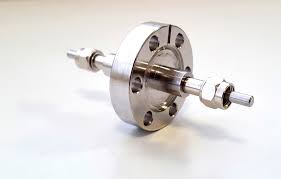
Introduction
Hermetic feedthroughs are essential components in modern defense systems, where electronics must operate reliably under extreme environmental conditions. These feedthroughs allow electrical or optical signals to pass through sealed barriers while maintaining airtightness and protecting sensitive components from moisture, dust, vibration, pressure, and temperature fluctuations. Their integration is critical for ensuring mission-critical performance in military vehicles, aircraft, naval systems, and surveillance equipment.
1. Protecting Electronics in Harsh Environments
Defense systems often operate in extreme conditions, including deserts, high-altitude cold, underwater, or combat zones. Hermetic feedthroughs maintain sealed and protected connections, preventing contamination or corrosion from sand, water, or chemicals. This protection is vital for radar systems, communication devices, and control electronics, where even minor failures could compromise operations.
2. Signal Transmission in Critical Applications
Hermetic feedthrough enables reliable transmission of power, control, and data signals across sealed enclosures. In defense applications, this includes:
- Avionics and flight control systems in aircraft.
- Missile guidance and navigation systems.
- Naval electronics and submarine control systems.
- Remote sensors and surveillance equipment.
Feedthroughs ensure that signals remain accurate and uninterrupted, even under high vibration, shock, or temperature extremes.
3. Resistance to Mechanical and Thermal Stress
Defense applications subject feedthroughs to mechanical shock, vibration, and thermal cycling during transportation, deployment, or operation. Hermetic feedthroughs are engineered with robust housings, stress-relief structures, and thermally compatible materials to maintain structural integrity and signal reliability under these challenging conditions.
4. Material and Design Considerations
Material selection and design are crucial for defense-grade feedthroughs:
- Metals like Kovar or stainless steel for strength and corrosion resistance.
- Ceramic or glass insulators for electrical isolation and thermal stability.
- Multi-pin, coaxial, or fiber-optic designs depending on signal type and density.
- Protective coatings for chemical and environmental resistance.
These considerations ensure long-term reliability and operational safety in defense systems.
5. Compliance and Standards
Defense applications require feedthroughs to meet strict military and industrial standards to guarantee performance:
- MIL-STD-810: Environmental testing for military equipment.
- MIL-STD-883: Electronic component testing, including leak and electrical tests.
- ISO and ASTM standards: Material, electrical, and mechanical compliance.
Adhering to these standards ensures that feedthroughs are mission-ready and fail-safe in critical defense applications.
6. Applications in Defense Systems
Hermetic feedthroughs are widely used in defense systems, including:
- Aircraft and UAVs: Protect avionics and communication systems.
- Missiles and weapons systems: Ensure reliable signal transmission under extreme forces.
- Submarines and naval vessels: Provide sealed electrical connections for underwater operations.
- Radar and sensor systems: Maintain data integrity in high-vibration and high-temperature environments.
These applications rely on hermetic feedthroughs to guarantee safety, accuracy, and operational readiness.
Conclusion
Hermetic feedthroughs are critical for the integration and protection of electronics in defense systems. By providing airtight sealing, electrical isolation, and resistance to mechanical and thermal stress, they ensure that sensitive equipment functions reliably in extreme conditions. Through careful material selection, robust design, and compliance with military standards, hermetic feedthroughs play a vital role in maintaining mission-critical performance and safety across modern defense applications.